

Moving into assisted living can change daily routines, but it does not have to weaken family relationships or friendships. Regular contact, shared activities, and thoughtful communication can help residents remain connected to the people and places that matter most.
How can families maintain regular contact?
The most reliable approach is to create a communication routine that fits the resident’s abilities, preferences, and schedule. A predictable pattern often works better than occasional visits that are difficult to arrange.
Families might choose:
- A weekly in-person visit
- Short phone calls on set days
- Video conversations at a consistent time
- Letters, cards, or printed photos
- Shared meals or seasonal gatherings
- A regular message from several relatives in a group text
The schedule should remain flexible. A resident may feel energetic and social one day but tired or less focused the next. A brief visit can be more meaningful than a long visit that becomes exhausting.
Family members should also avoid treating missed calls or canceled visits as rejection. Health changes, transportation problems, weather, and fatigue can all affect communication. A calm, dependable pattern is usually more helpful than expecting every interaction to go exactly as planned.
What types of visits are most comfortable for residents?
The best visit is one that matches the resident’s energy level and interests. Quiet, familiar activities often create better conversations than trying to fill every minute with entertainment.
Useful visit ideas include:
- Looking through family photographs
- Listening to familiar music
- Reading a newspaper or short book aloud
- Folding laundry or organizing keepsakes together
- Taking a walk if the resident is steady and weather permits
- Sharing a snack or simple meal
- Watching a favorite program
- Completing a puzzle, craft, or card game
Visits do not need to take place only in a private room. A common area, outdoor sitting space, or dining area may be more comfortable for residents who enjoy activity around them. During colder months in Grove City, PA, indoor visits may be preferable, while milder days can allow for time outdoors if the setting is accessible and safe.
Before bringing food, plants, decorations, or animals, families should check the residence’s current policies. Dietary restrictions, allergies, infection-control practices, and other residents’ sensitivities may affect what is appropriate.
How can loved ones stay connected from a distance?
Distance does not prevent meaningful involvement. Regular communication can include more than asking, “How are you?” Open-ended questions often lead to richer conversations.
Try asking:
- What was the most comfortable part of your day?
- Did you meet anyone new?
- What would make tomorrow easier?
- Have you been listening to any music lately?
- Is there anything from home you would like nearby?
- What family news would you like to hear about?
Some residents enjoy receiving printed updates instead of relying on digital communication. A short family newsletter, calendar, or photo page can help a person keep track of birthdays, grandchildren, pets, household changes, and upcoming events.
Technology can also help, but it should match the resident’s comfort level. A large-screen tablet, simplified phone, written instructions, or help from a family member may reduce frustration. If hearing or vision has changed, captions, amplified sound, larger text, and better lighting can make conversations easier.
What if a resident has memory loss or difficulty communicating?
A resident with memory loss may still benefit from familiar voices, gentle conversation, music, touch when welcomed, and repeated reassurance. The goal is connection rather than testing memory.
Avoid repeatedly asking questions such as “Do you remember me?” if they cause embarrassment or distress. Instead, offer context naturally: “It’s good to sit with you. I brought pictures from the garden,” or “I was thinking about the meal we shared last weekend.”
Helpful approaches include:
- Speaking slowly and using short sentences
- Allowing extra time for a response
- Focusing on feelings rather than correcting every detail
- Using familiar songs, photographs, or objects
- Reducing background noise during conversation
- Accepting nonverbal communication, such as facial expressions or gestures
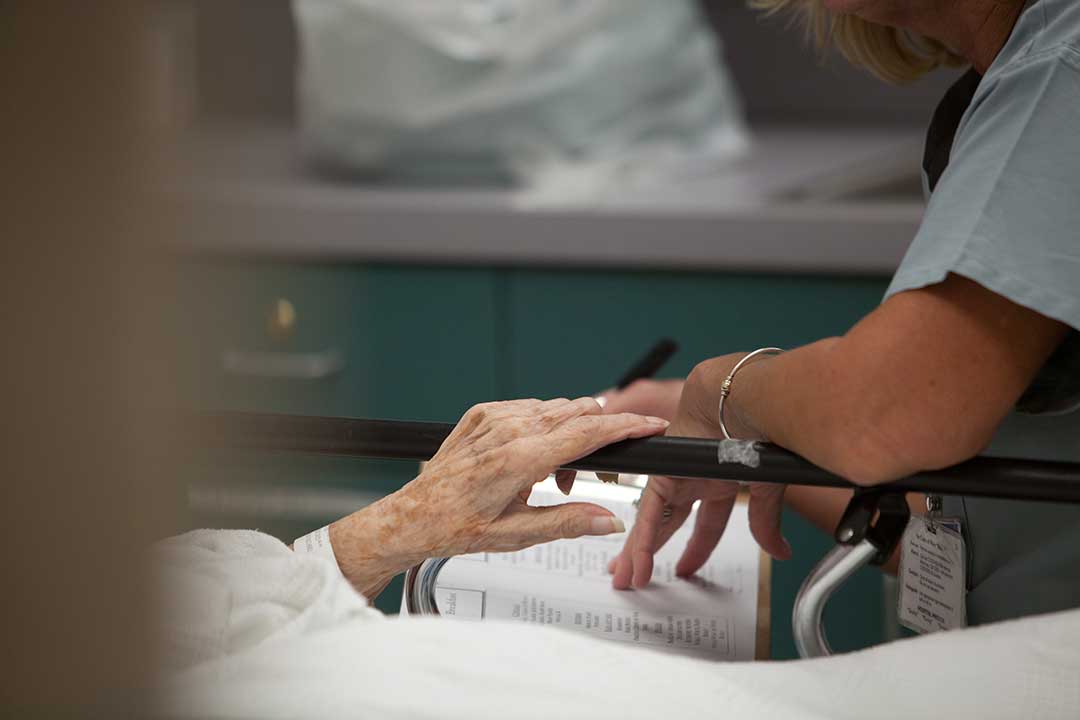
If a resident becomes upset, changing the subject or taking a quiet break may work better than arguing. Family members can share observations with appropriate staff when they notice a significant change in mood, communication, appetite, or behavior.
How can family relationships remain balanced?
Assisted living should not make one person responsible for all communication and visits. A shared family plan can distribute involvement more fairly and reduce the chance that contact depends on one caregiver’s availability.
Relatives may divide responsibilities by type:
- One person handles regular phone calls
- Another sends photos or mail
- Another visits on weekends
- A grandchild helps with technology
- A family member keeps track of birthdays and important dates
The resident should remain included in decisions whenever possible. Family members may have good intentions but still choose activities, schedules, or belongings that the resident does not want. Ask about preferences rather than assuming that frequent visits, video calls, or group gatherings are always welcome.
It is also reasonable for residents to need privacy. Connection includes respecting quiet time, personal routines, and the right to decline a visit.
How can families stay involved in everyday life?
Relationships often feel stronger when loved ones remain part of ordinary decisions, not just major events. Ask the resident’s opinion about clothing, meals, photographs, room arrangements, books, television programs, or plans for a holiday.
Families can also create continuity by bringing familiar items from home, such as:
- A favorite blanket
- Framed photographs
- A small calendar
- Handwritten recipes
- Craft materials
- Music collections
- Seasonal decorations
- A comfortable chair or personal keepsake, if permitted
These items can support conversation and help the living space feel familiar. Changes should be introduced gradually, especially if the resident is adjusting to a new environment or has difficulty processing too many choices.
What should families do during holidays and seasonal changes?
Holidays can be enjoyable but may also bring fatigue, grief, or confusion. A large gathering is not always the best option. Smaller visits spread across several days may be easier than one crowded event.
In a community with changing seasons, winter weather can affect transportation and outdoor plans. Families should have backup options for icy roads, heavy snow, or early darkness. A holiday phone call, mailed card, shared video, or indoor celebration can preserve the connection when travel is difficult.
Seasonal traditions can be simplified. Instead of recreating an entire family event, choose one familiar element, such as a favorite dessert, a meaningful song, a family story, or a small decoration.
How can families recognize when communication is becoming difficult?
Changes in hearing, vision, memory, mood, or physical stamina may require a different communication approach. Warning signs can include repeated misunderstandings, unusual withdrawal, frustration during calls, or difficulty following group conversations.
Families can respond by shortening conversations, improving lighting, reducing background noise, using written reminders, or selecting quieter visiting spaces. Significant or sudden changes should be shared with the appropriate care team because they may reflect a health issue rather than a lack of interest in family contact.
Staying connected is less about constant activity than about dependable presence. A familiar voice, a handwritten note, a shared photograph, or a calm visit can help a resident feel remembered and included while adjusting to assisted living.
