
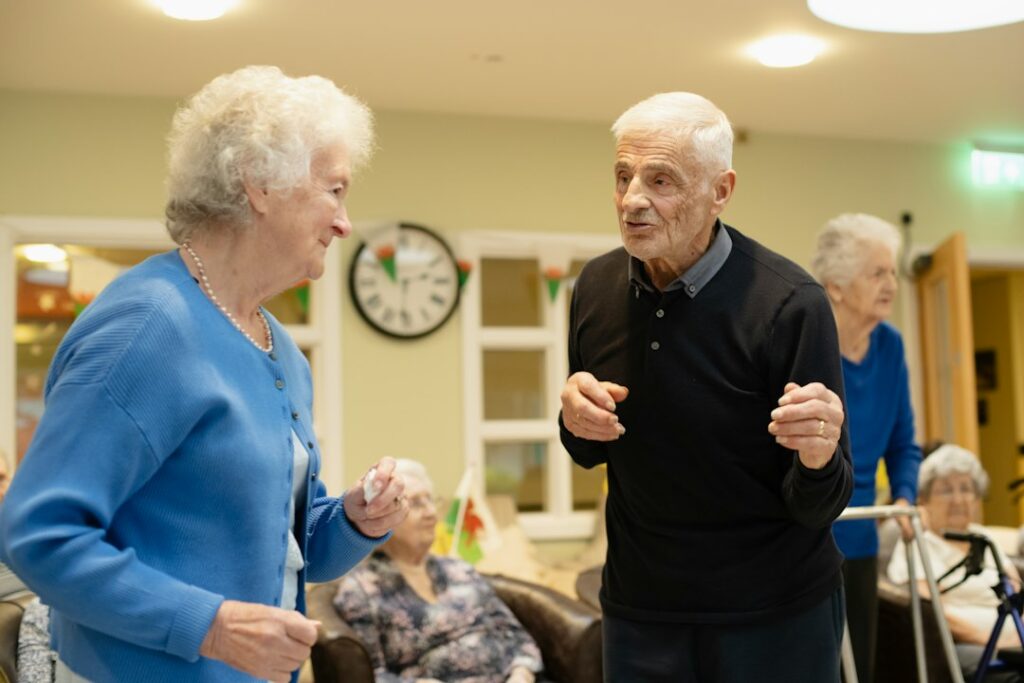
Assisted living can support mental well-being by combining daily structure, social connection, personal choice, and access to help when challenges arise. For older adults and their families in Grove City, PA, the right setting may reduce isolation while preserving independence and familiar routines.
Mental well-being includes more than the absence of depression or anxiety. It also involves feeling connected, capable, respected, and engaged in daily life. Assisted living is designed to provide support with everyday needs while creating opportunities for meaningful activity and relationships.
How does assisted living affect emotional health?
Assisted living may improve emotional health by reducing burdens that make daily life stressful. Tasks such as preparing meals, managing household upkeep, coordinating transportation, or responding to changing physical needs can become tiring over time. Having assistance available can allow residents to focus more energy on relationships, hobbies, rest, and personal interests.
A predictable environment can also provide reassurance. Regular meal times, scheduled activities, and familiar staff routines may help residents feel more secure. This can be especially helpful for someone adjusting to changes in mobility, memory, health, or living arrangements.
Support does not automatically improve mental well-being for every person. Adjustment takes time, and residents may experience sadness, frustration, or homesickness during the transition. Emotional health is more likely to improve when the individual has a voice in daily decisions and receives patience from family members and caregivers.
Can assisted living reduce loneliness?
Yes, assisted living can reduce loneliness by making social contact easier and more consistent. Residents often live near others who share similar life experiences, interests, or routines. Common areas and group activities create natural opportunities for conversation without requiring extensive travel or planning.
Social connection may come from simple interactions, such as:
- Sharing a meal with other residents
- Participating in a card game, craft, or discussion group
- Attending an exercise or stretching session
- Spending time in a lounge, garden area, or outdoor courtyard
- Talking with staff members during ordinary daily routines
- Joining seasonal gatherings or small interest-based activities
The quality of interaction matters more than the number of activities offered. A resident who dislikes large groups may prefer one-on-one conversation, a quiet hobby, or a smaller gathering. Personal preferences should guide participation rather than pressure to attend every event.
For local households, seasonal conditions can also affect social contact. Cold weather, snow, and shorter winter days may make it harder for older adults to travel, walk outdoors, or visit friends. An accessible community setting can provide indoor opportunities for companionship during periods when outside activity is limited.
Why are routines helpful for older adults?
Consistent routines can make daily life easier to understand and manage. Knowing when meals, medications, activities, and rest periods generally occur may reduce uncertainty. Routines can also support sleep, appetite, and participation in preferred activities.
A useful routine should provide structure without becoming rigid. Residents benefit from having choices about clothing, mealtimes when possible, leisure activities, visitors, and personal schedules. Too little structure can feel disorganized, while too much control can reduce a sense of independence.
Families may notice that a regular routine helps an older adult remain involved in familiar habits. Someone who enjoyed reading the newspaper, tending plants, listening to music, or visiting with neighbors may be more likely to continue those interests when daily responsibilities are manageable.
Does assisted living help people maintain independence?
Assisted living is not intended to remove all responsibility from residents. Its purpose is generally to provide the level of help needed while allowing individuals to do as much as they safely can.
Maintaining independence may include:
- Choosing daily activities
- Managing personal belongings
- Deciding how to spend free time
- Participating in meal preparation or simple household tasks
- Walking, exercising, or completing activities at an appropriate level
- Staying involved in family decisions
- Continuing religious, cultural, creative, or educational interests
Preserving choice can support confidence and self-esteem. A resident who receives help with bathing or medication may still make personal decisions, pursue hobbies, and contribute to the community.
Families sometimes assume that more assistance always means better care. In practice, unnecessary help can make a person feel less capable. The most supportive approach matches assistance to actual needs and is adjusted as those needs change.

How can assisted living support people with memory changes?
An assisted living setting may provide helpful structure for someone experiencing mild memory loss, but not every community is equipped for advanced cognitive impairment. Families should understand the level of memory support available before making decisions.
Helpful features may include clear signs, familiar routines, supervised activities, safe walking areas, and staff members who understand changes in memory and behavior. Repeated orientation, calm communication, and predictable expectations can reduce frustration.
Memory loss can affect emotional well-being because a person may feel embarrassed, confused, or afraid of making mistakes. Staff responses that protect dignity are essential. Correcting someone harshly or treating the person like a child can increase distress. Patience, simple explanations, and respectful redirection are generally more supportive.
Sudden changes in mood, sleep, appetite, confusion, or social behavior should not automatically be assumed to be part of aging or dementia. Pain, medication effects, infection, dehydration, hearing loss, vision changes, and depression can also affect behavior. Significant or rapid changes require medical evaluation.
What activities support mental well-being?
Activities are most beneficial when they provide enjoyment, purpose, movement, or connection. They do not need to be elaborate. Reading, music, puzzles, gardening, crafts, cooking-related tasks, storytelling, and light exercise can all support mental engagement.
Purpose is especially valuable. Older adults may feel better when they have meaningful roles, such as welcoming another resident, helping organize materials, caring for a plant, sharing a skill, or contributing ideas for activities.
Activities should be adapted for different abilities. A person with limited vision may enjoy music or tactile crafts. Someone with arthritis may need modified art supplies. A resident who tires easily may prefer shorter activities with rest breaks.
Mental well-being can also be supported through time outdoors when conditions are safe. Natural light, fresh air, and a change of scenery may improve mood and help maintain a sense of connection with the seasons.
What should families watch for after a move?
Adjustment can include both positive and difficult emotions. Temporary sadness, irritability, withdrawal, or changes in sleep may occur during the first weeks or months. Regular visits, familiar belongings, photographs, and consistent communication can help make the new environment feel more personal.
Ongoing warning signs deserve attention, including:
- Persistent sadness or hopelessness
- Loss of interest in previously enjoyable activities
- Major changes in appetite or sleep
- Frequent fear, agitation, or unexplained distress
- Increasing isolation
- Statements suggesting worthlessness or a desire to die
- Sudden confusion or unusual behavior
These concerns should be shared with appropriate medical or mental health professionals, especially if symptoms are severe, sudden, or connected to safety risks. Immediate help is needed if a person may harm themselves or someone else.
Assisted living can create conditions that support mental well-being, but emotional health depends on individualized care, respectful relationships, meaningful choices, and attention to changing needs. For older adults and families in the local community, the most suitable setting is one that supports both safety and the person’s identity, preferences, and connection to everyday life.
